
Element Personality Types
The Element Personality system describes five personality patterns: Earth, Water, Wind, Fire, and Spirit. Each type has its own strengths, blind spots, relationship style, conflict response, and growth path. Use this page as the main guide to compare the types and move deeper into the full type profiles.
If you are new to the system, start with the Element Personality Quiz. Then return here to understand your result and compare it with the other elements.
Quick guide to the five types
- Earth personality type: grounded, reflective, practical, stable, and connected to structure.
- Water personality type: calm, patient, caring, steady, and emotionally sensitive.
- Wind personality type: expressive, social, creative, flexible, and drawn to movement.
- Fire personality type: passionate, confident, direct, energetic, and action-oriented.
- Spirit personality type: balanced, integrated, wise, and able to draw from all four elements.
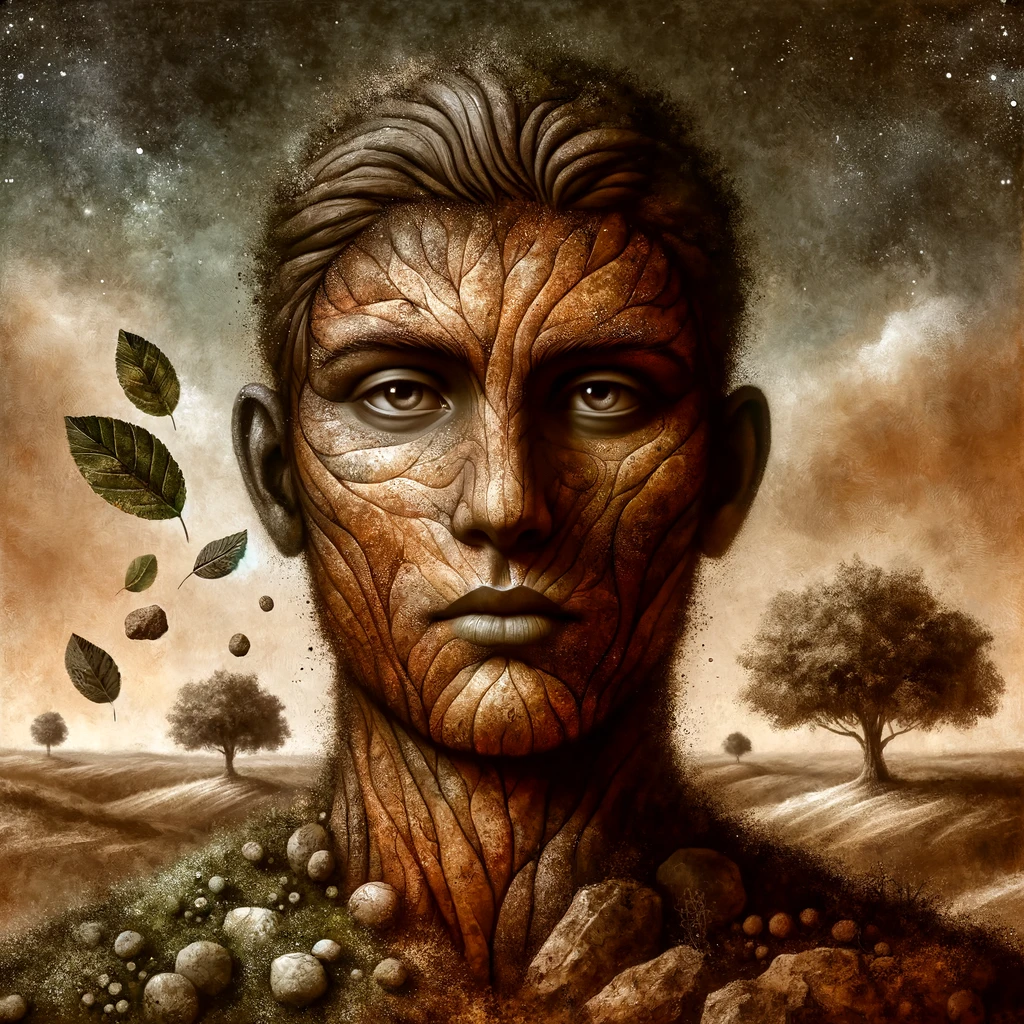
Earth: depth, memory and reflection
Earth is the reflective element in this framework. Earth-oriented people tend to pause, remember and look beneath the surface before they speak. They may be drawn to history, philosophy, writing, research or any work that rewards patient thought. Their strength is not simply being “practical”; it is the ability to notice meaning, connect present events with past experience and give complicated ideas a clear shape.
That depth can become heavy when Earth gets stuck in old hurts, pessimism or isolation. Growth does not require an Earth person to become loud or constantly social. It means testing conclusions against the present, allowing other people into the inner conversation and acting before every question has been settled.
Explore the Earth personality guide.
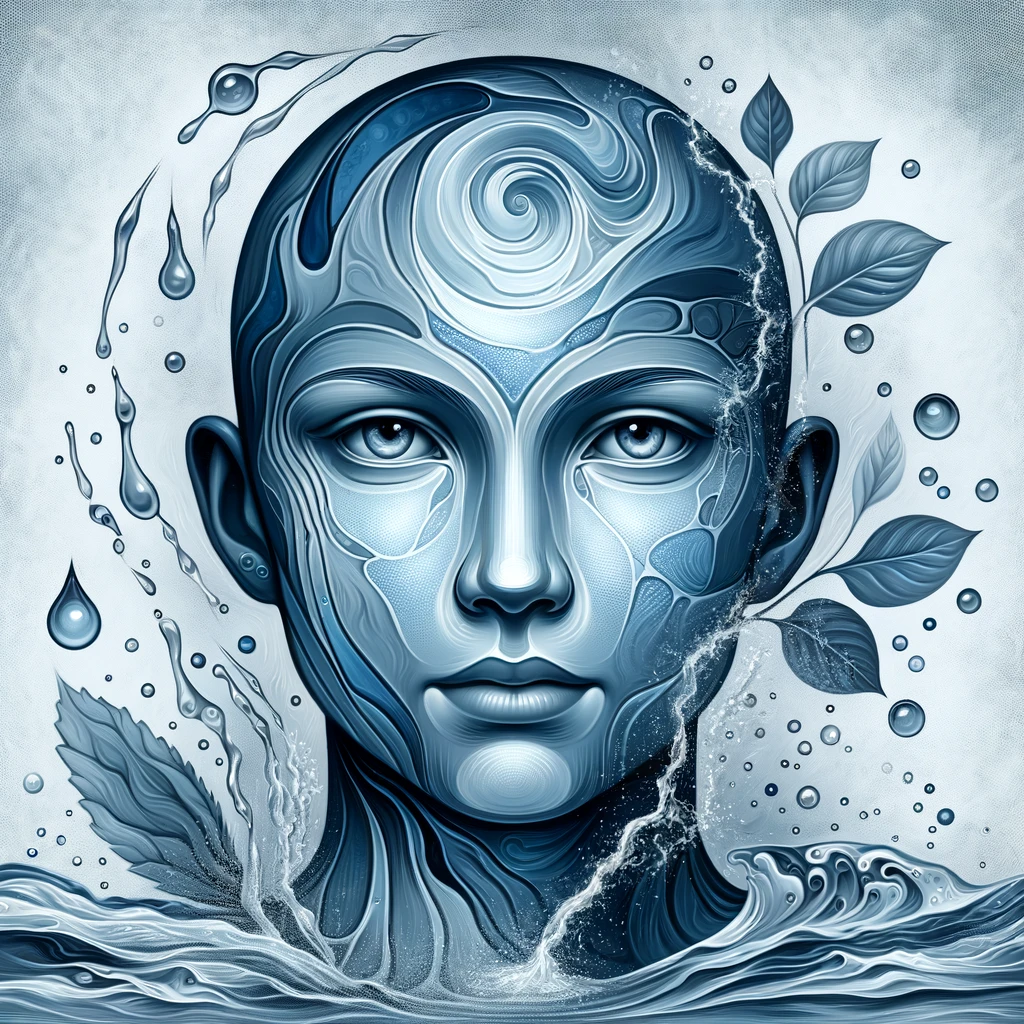
Water: patience, steadiness and care
Water brings patience and an unhurried sense of order. Water-oriented people often prefer familiar routines, clear expectations and enough time to complete one thing properly before moving to the next. They can be dependable colleagues and calming companions because they are less likely to be swept into a rushed decision simply because everyone else is anxious.
The same steadiness can become passivity. A Water person may postpone a necessary conversation, wait too long for certainty or remain in an unhelpful routine because change feels disruptive. Their growth path involves using their calmness as a base for earlier action, clearer boundaries and greater flexibility.
Explore the Water personality guide.

Wind: energy, expression and possibility
Wind brings movement into a room. Wind-oriented people often think aloud, make connections quickly and lift the energy of a group through humour, conversation or fresh ideas. They tend to enjoy people, variety and creative freedom. When a situation feels stuck, Wind is often the element that asks, “What else could we try?”
Possibility can become distraction. Wind may begin enthusiastically, lose interest when novelty fades or speak before a thought is ready. Growth comes from giving good ideas somewhere to land: fewer priorities, written commitments, protected focus and the discipline to finish a useful version.
Explore the Wind personality guide.

Fire: drive, courage and decisive action
Fire is the element of momentum. Fire-oriented people are often comfortable taking responsibility, naming a goal and moving while others are still weighing the options. Their directness can bring welcome clarity in a crisis, and their confidence can help a team believe that a difficult result is achievable.
Drive becomes destructive when speed matters more than people. Under pressure, Fire may interrupt, dominate or treat disagreement as obstruction. The growth task is not to extinguish ambition. It is to pair courage with patience, ask before assuming and make room for other people to influence the plan.
Explore the Fire personality guide.

Spirit: the ideal integration of the four elements
Within the Element Personality framework, Spirit is the ideal direction of personal development because it combines the strongest positive qualities of the four basic elements. A Spirit-oriented person can draw on Earth’s wisdom to understand a problem, Water’s patience to stay present, Wind’s communication to open the conversation and Fire’s charisma and courage to act.
Spirit represents a more complete and balanced pattern, but it does not mean that a person becomes flawless or stops growing. Integration must be practised: notice what the moment requires, choose the most constructive elemental strength and remain accountable for the effect of that choice.
Explore the Spirit personality guide.
Explore more Element Personality guides
For practical examples, read how the types show up in relationship compatibility, love and communication, and conflict.